

Criticism is an inevitable part of the writing process, especially for nonfiction authors tackling complex or personal topics. While it’s natural to feel defensive, constructive criticism can be a powerful tool for growth. Here’s how to handle criticism of your work as a nonfiction author, embrace feedback, build resilience, and use it all to improve your writing.
1. To handle criticism of your work well, first consider the source.
Not all criticism carries the same weight. Consider the following:
- Constructive feedback offers specific, actionable suggestions to improve your work.
- Reader reactions reflect how your audience interprets your book’s message.
- Uninformed opinions may stem from misunderstandings or biases.
Focus on feedback that aligns with your goals and audience’s needs. If the source of the criticism is a person who tears down people as a hobby, it’s probably safe to ignore them.
2. Separate yourself from your work.
It’s easy to take criticism personally, but remember:
- Your book is a product, not a reflection of your worth.
- Criticism is often about the content, not you as an author.
- Detaching emotionally helps you assess feedback objectively.
A professional mindset allows you to focus on improvement.
3. Look for patterns in feedback.
If multiple readers mention the same issue, pay attention. Recurring themes might include things like these:
- Confusing sections
- Ideas that need more depth or evidence
- Tone or style that doesn’t resonate
Patterns can highlight areas where your revisions would have the greatest impact.
4. Be aware of the context.
Criticism is often shaped by the reader’s perspective.
- Is this feedback coming from my target audience?
- Does the reader’s background influence their interpretation?
- Would addressing this concern benefit the majority of readers?
Understanding context helps you decide which feedback to prioritize. If the person complaining hasn’t even read your work, it’s likely that they are a “hater” and you can disregard their comments.
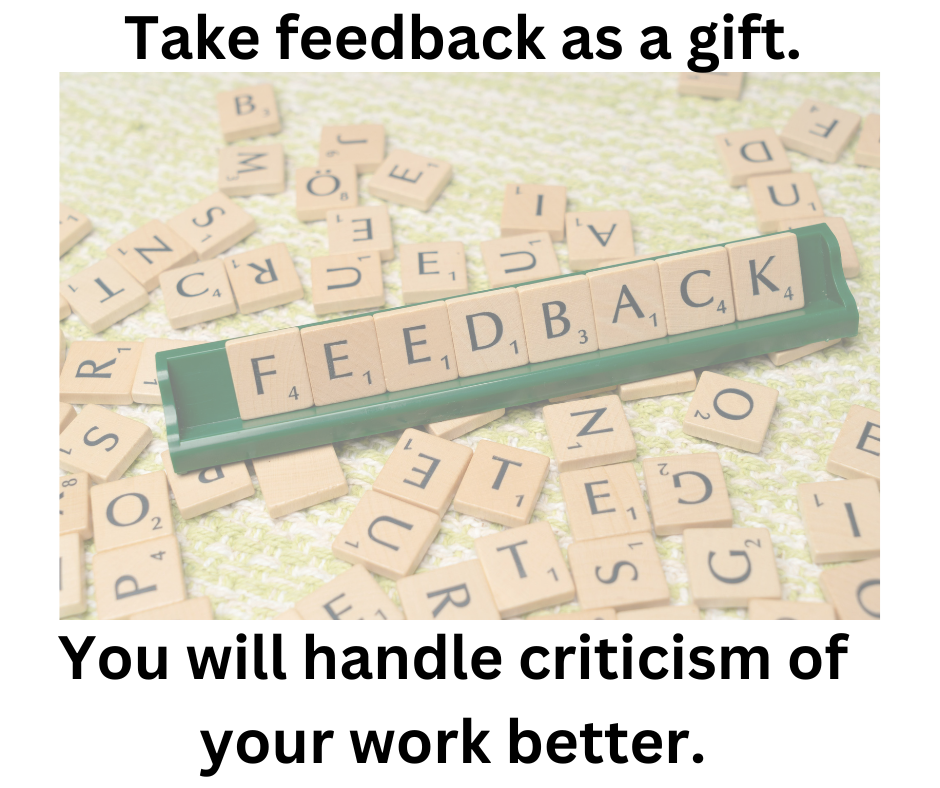
5. Respond with gratitude.
Even when feedback stings, approach it with appreciation:
- Thank readers for taking the time to share their thoughts.
- Acknowledge constructive points, even if you don’t agree with every suggestion.
- Use criticism as an opportunity to build stronger connections with your audience. For more on this, see this post about how to keep readers engaged and happy.
Gratitude turns feedback into a collaborative process.
6. Take time to reflect.
Do these before making changes based on criticism:
- Step away from the feedback for a day or two.
- Review it with a clear mind and fresh perspective.
- Consider how the suggested revisions would align with your vision for the book.
This pause helps you make thoughtful, intentional decisions. You may find that you can handle criticism of your work better once you’ve given yourself some space to think about it.
7. Stay true to your voice.
While feedback is valuable, don’t lose sight of your unique perspective. Ask yourself:
- Does this revision align with the book’s purpose and message?
- Am I making changes for the right reasons?
- Will this feedback dilute or strengthen my voice?
Balancing external input with your creative instincts is key.
8. Use criticism as a learning opportunity.
Every piece of feedback, whether positive or negative, is a chance to grow as a writer. Consider:
- What the criticism reveals about your strengths and weaknesses.
- How you can improve your writing process in the future.
- What skills you might need to develop further (e.g., clarity, structure).
Approaching criticism as a learning experience keeps you motivated.
9. Share your growth with readers.
Show your audience that you value their input:
- Share how feedback has helped you improve your book.
- Acknowledge constructive readers in your acknowledgments or online.
- Invite readers to stay engaged with your future projects.
Transparency builds trust and loyalty among your audience.
10. Build your resilience.
Criticism is part of the creative process, and developing resilience will help you handle criticism of your work.
- Remind yourself of your purpose and the impact of your work.
- Focus on the progress you’ve made rather than perfection.
- Seek support from peers, mentors, or a coach when needed.
Resilience allows you to grow without losing confidence in your abilities.
Final Thoughts on How to Handle Criticism of Your Work
You don’t have to listen to anyone you don’t want to. You could be like the woman in this one-second clip, but then you’d be missing opportunities to improve your writing.
TL;DR:
Addressing criticism constructively is a skill every nonfiction author can benefit from. By staying open-minded, focusing on actionable insights, and staying true to your vision, you can handle criticism of your work and turn feedback into a valuable asset.
At Best Nonfiction Book Coach, we provide guidance and support to help authors navigate feedback with confidence. Let’s work together to make your writing the best it can be.
